DC-Air™: The Smart Wireless Dental X-Ray Sensor That Tracks, Alerts, Improves
- Jul 10
- 6 min read

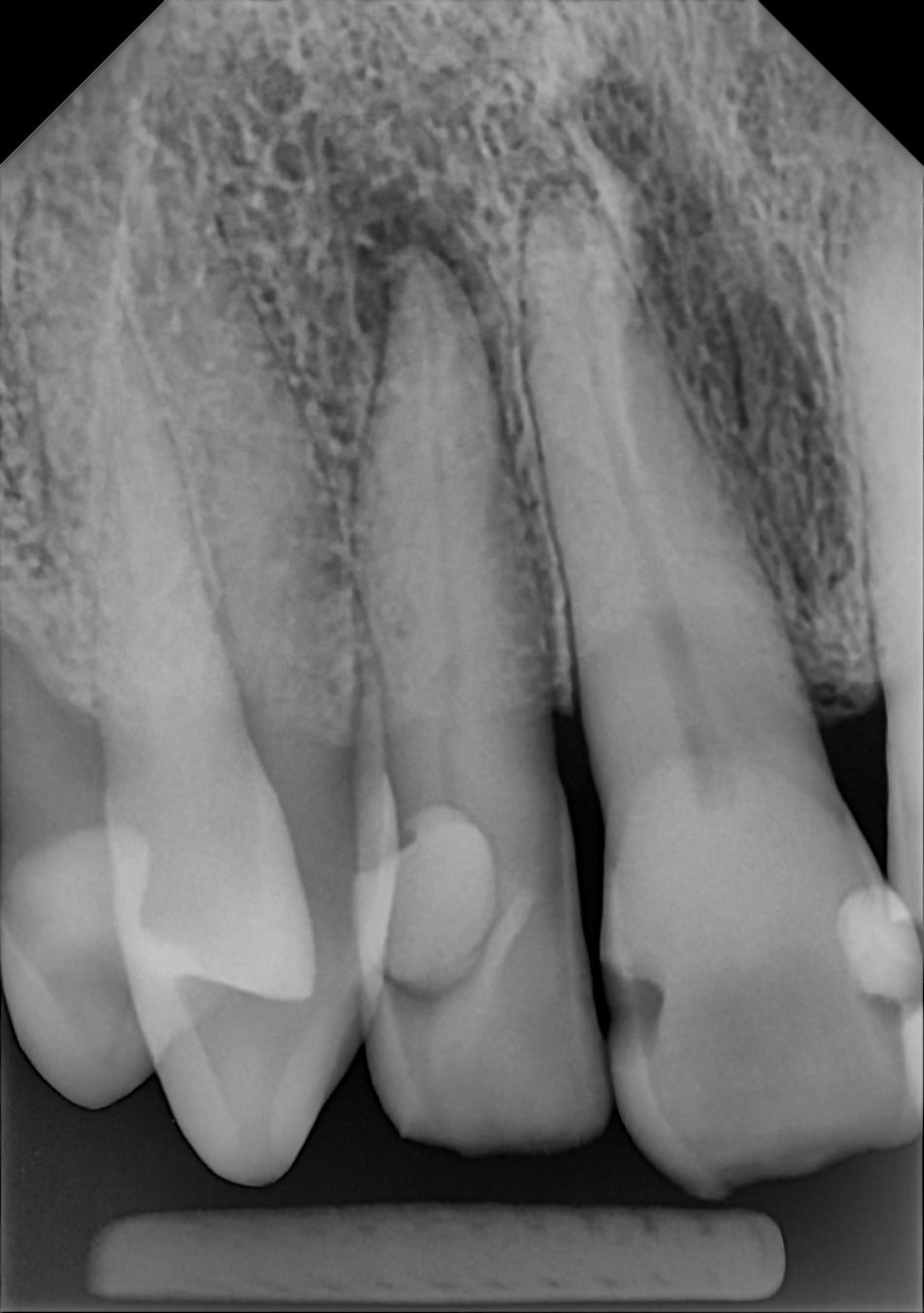
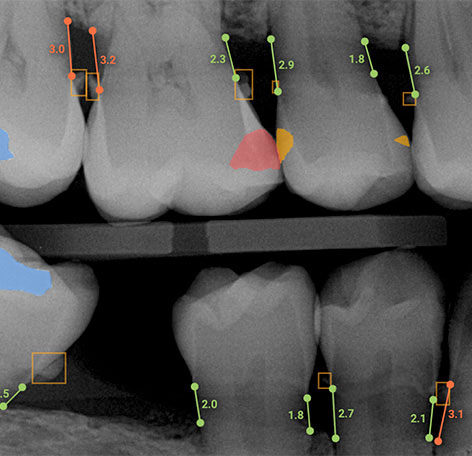
For four posts I've made the case that the DC-Air™ direct conversion dental X-ray sensor captures a better image — sharper, unenhanced, honest. All true. But I want to let you in on something that changes the whole conversation: the sensor was never supposed to be the whole product.
Here's the thing every practice owner learns the hard way. The image is step one. Then reality sets in. That small, expensive wireless sensor has to survive a real office — eight operatories, two hundred patients a week, a dozen hands, a battery that drains, a dock that gets bumped, a sensor that quietly walks from Room 3 to Room 6 and doesn't come back. None of that shows up in a pretty radiograph. And until now, none of it was visible to the person who actually has to run the place.
That's what we set out to fix. Today FTG is announcing the release of the DC-Air™ Sensor WatchDog™. Paired with the FTG Protection Plan, it turns the DC-Air™ from a great sensor into something the category hasn't really had: a complete radiology system that tracks itself, supports itself, and helps your practice get measurably better on autopilot.
Let me walk you through it.

The Invisible, Made Visible
Ask a front-office manager where every sensor is right now and watch what happens. They can't tell you — not without physically walking into each room and asking. Is the sensor docked? Charged? Connected? Did Room 4 lose its network? Is a sensor missing between rooms? That information exists, but it's trapped inside each operatory's PC, invisible.
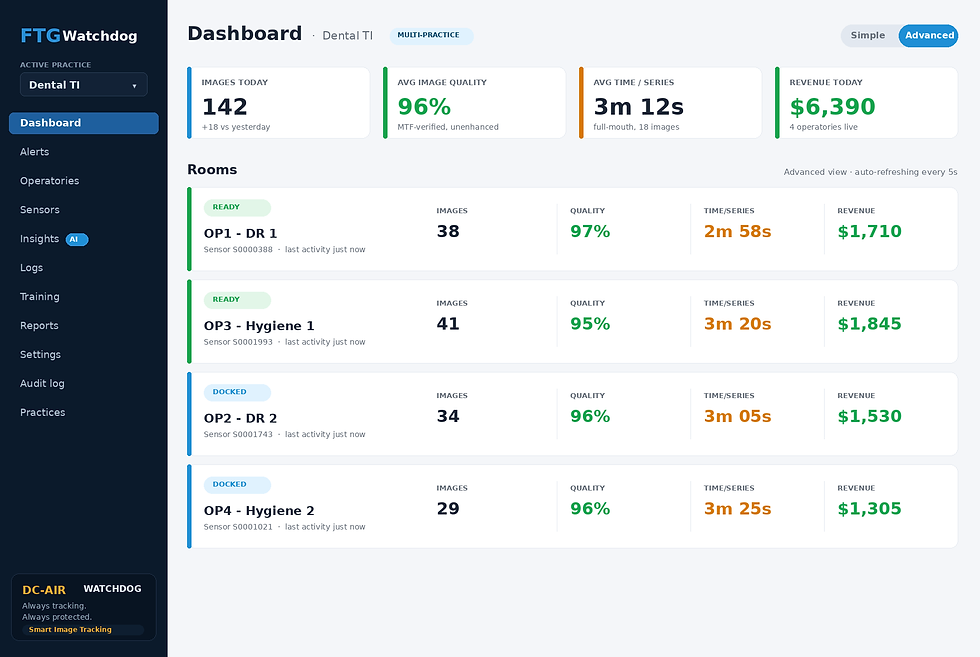
The WatchDog™ turns that invisible status into a single live dashboard. One screen, refreshing in near-real-time, showing every chair: docked, ready, transmitting, connecting, or — the one you care about — not connected. At a glance, the office knows whether every operatory is ready for the next patient. No walking the halls. No guessing.
And when a sensor does go missing, Find My Sensor shows its last-known room across every PC in the practice. The expensive device that used to vanish for an afternoon now has a GPS-style trail. That alone pays for a lot of aspirin.
Proactive Support: Problems Find You Before Patients Do
Every practice has lived the nightmare: you seat a patient, reach for the sensor, and it's dead, missing, or won't connect. Now you're improvising while the schedule backs up.
The WatchDog™ flips that script. It watches battery levels, dock connections, Bluetooth links, and calibration in the background and fires color-coded alerts the moment something drifts — on the operatory PC as a tray notification, on the dashboard as a banner, and by email if you want it. A sensor stuck out of its dock past threshold? Yellow warning.

A sensor out of range that no dock can see? Red, with the last-known room attached.
The alerts even clear themselves the second the problem resolves.
This is the difference between reactive and proactive support. Instead of you calling us after a chair goes down, the system flags the condition while it's still a warning — and if something does need a human, our team can run a server-side diagnostic and even remote-restart the agent without anyone touching that PC. You spend less time firefighting and more time producing.

KPI Logging: Self-Improvement on Autopilot
Here's where it stops being an insurance policy and starts being a growth tool.
Quietly, in the background, the WatchDog™ logs the numbers that actually describe how your imaging is running: X-ray volume per room, image quality, capture-to-received timing, and even daily revenue per operatory on the Advanced view. On a fresh install it back-fills your historical logs, so you see real usage history and KPIs from day one — not a blank slate.
Then it does the part busy practices never get around to: it emails you the scorecard. Schedule a recurring KPI digest — pick the metrics, the recipients, the cadence — and the trends come to you. Which rooms are slow. Where retakes cluster. Whether Tuesday afternoons are quietly costing you. Self-improvement stops being a project you never start and becomes a report that lands in your inbox.
That's the honest promise: you can't improve what you can't see. The WatchDog™ makes the whole operation visible, and AI-assisted image-quality analysis is the next milestone on that roadmap — so the system won't just show you the numbers, it'll help you read them.
Why This Makes DSO Adoption a Very Easy Yes
If you run — or are evaluating for — a DSO, this is the part to lean in on.
A single dashboard is nice for one office. Across a group, it's transformative. The WatchDog™ is multi-tenant to the core: every practice's data is fully isolated at the database level, not hidden behind a UI filter, so a regional director can see the whole group while each location sees only its own. Standardize your imaging fleet, monitor uptime across every site, and roll KPIs up to the people who answer for the P&L.
And it clears the hurdles that usually stall a group rollout:
No firewall changes. The software makes outbound-only connections — it never opens an inbound port, so IT doesn't have to touch the network at every location.
No PHI means HIPAA certification simply doesn't apply. The WatchDog tracks hardware serials, timestamps, and device status — never patient information. There's no protected health information for it to touch, so there's nothing to certify. It doesn't modify your imaging software or how images are stored; if it stopped tomorrow, imaging would continue exactly as before.
Backed by a signed HIPAA Business Associate Agreement anyway. Even though there's no PHI in play, we e-sign a BAA at signup and keep the executed agreement retrievable for your compliance file — so the paperwork is covered either way.
Enterprise-grade security: mandatory two-factor authentication, signed and verified software updates, encryption in transit and at rest, and daily encrypted backups.
For a group that has to defend every technology decision to IT, compliance, and finance, that's a short meeting.

The Protection Plan: Insure the Investment
Software tells you when something's wrong. The FTG Protection Plan makes sure a bad day doesn't become a bad quarter.
Sensors get dropped. They get bitten. They get lost. It happens in the best offices in the world. Without a plan, an accident means paying hourly for support, renting a loaner while you wait, and buying a brand-new sensor at full retail to get back up. With the Protection Plan, that same accident is a predictable, capped line item instead of a surprise four-figure hit.
For $89/month per sensor (or $1,068/year), the plan covers:
Unlimited phone support — no hourly fees when you need help.
A free loaner sensor during service, so a down sensor never means a dark operatory.
Capped replacement if a sensor is damaged or lost — an $850 deductible instead of paying full retail for a brand-new one. Need more than one in a year? Up to two additional replacements at $2,999 each, and the cycle resets annually.
Proactive Monitoring with the WatchDog included for an additional $10 per sensor.
It's the difference between an accident that dents your afternoon and one that dents your budget. You already protect your handpieces, your CBCT, your practice itself. The sensor that touches every diagnosis deserves the same.
The Bottom Line: You're Not Buying a Sensor Anymore
That's the shift I want you to walk away with. The DC-Air™ was always a better sensor. With the WatchDog and the Protection Plan, it's now a complete radiology system — one that captures a truthful image, keeps track of itself, tells you when it needs attention, logs the KPIs that make your practice better, scales cleanly across a whole group, and comes wrapped in a plan that protects the investment.
Diagnostic truth on the image. Operational truth on the dashboard. That's the whole package.

Want to see the WatchDog™ running on a live dashboard — and hear how the Protection Plan works for your practice or your group? Book a walkthrough with Dental TI Bring your toughest DSO questions.